Wedding photography prices can vary widely in Trinidad & Tobago.
You might find one photographer charging a few thousand dollars and another charging considerably more. At first glance, the difference can be difficult to understand. The cameras may look similar. The packages may list many of the same things. Both may promise beautiful photographs.
So what are you actually paying for? It isn't simply the number of hours a photographer spends at your wedding.
I've been photographing weddings since 2009, and over the years I've learned that much of the work couples pay for happens before the camera comes out and after the wedding is over.
Here's what goes into it.
Experience
A wedding rarely follows the timeline exactly as planned. The ceremony runs late. Someone can't find the rings. The weather changes. Family photographs take longer than expected. The best light appears earlier than anticipated. The couple gets pulled into a conversation with guests when they're supposed to be taking portraits. These things happen. Experience doesn't mean everything goes according to plan. It means the photographer knows how to respond when it doesn't.
After photographing weddings since 2009, I've learned to anticipate a lot of these situations. Sometimes that means changing the portrait schedule. Sometimes it means finding better light somewhere else. Sometimes it means knowing when to leave a moment alone. That judgement is part of the service.
Time at the Wedding
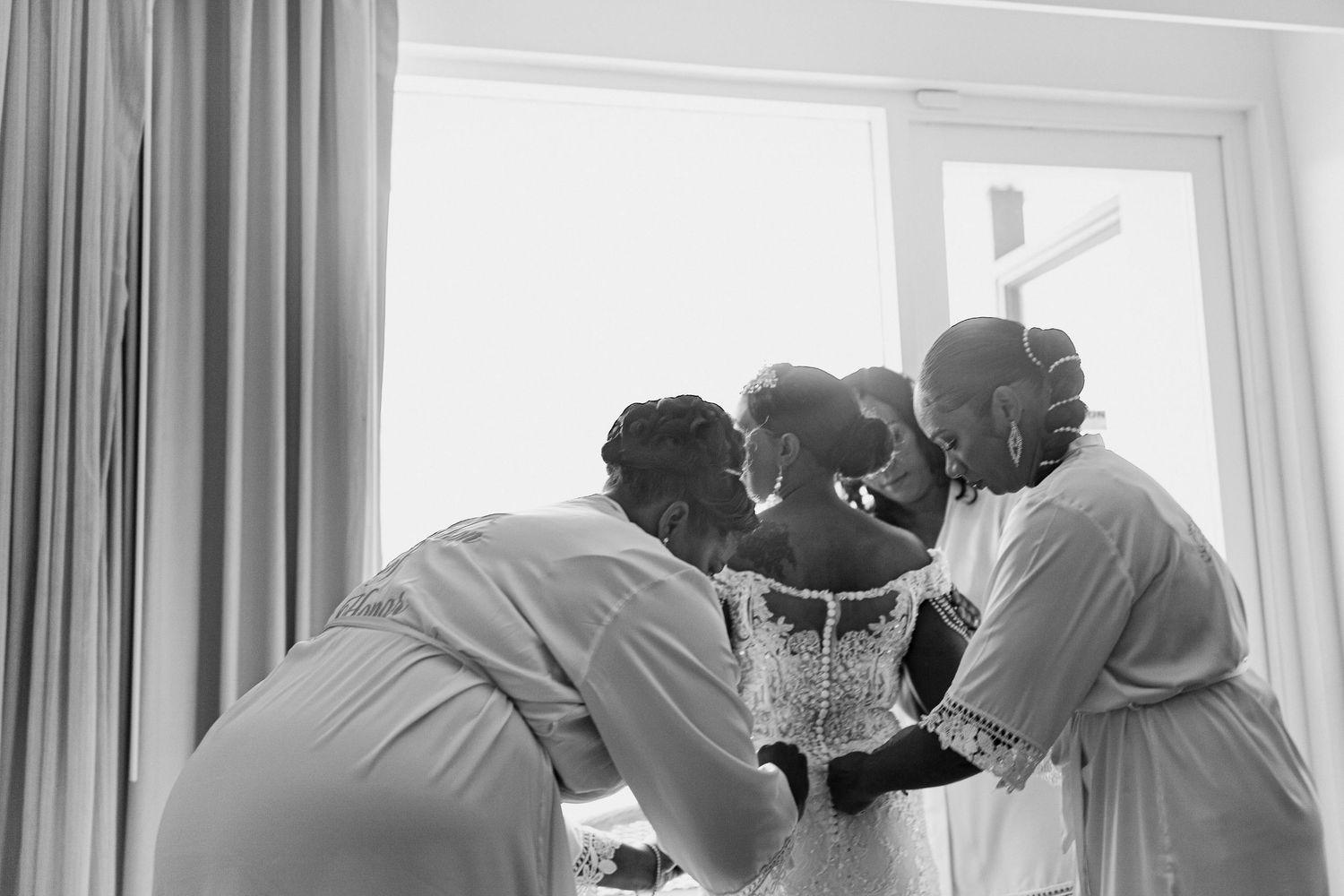
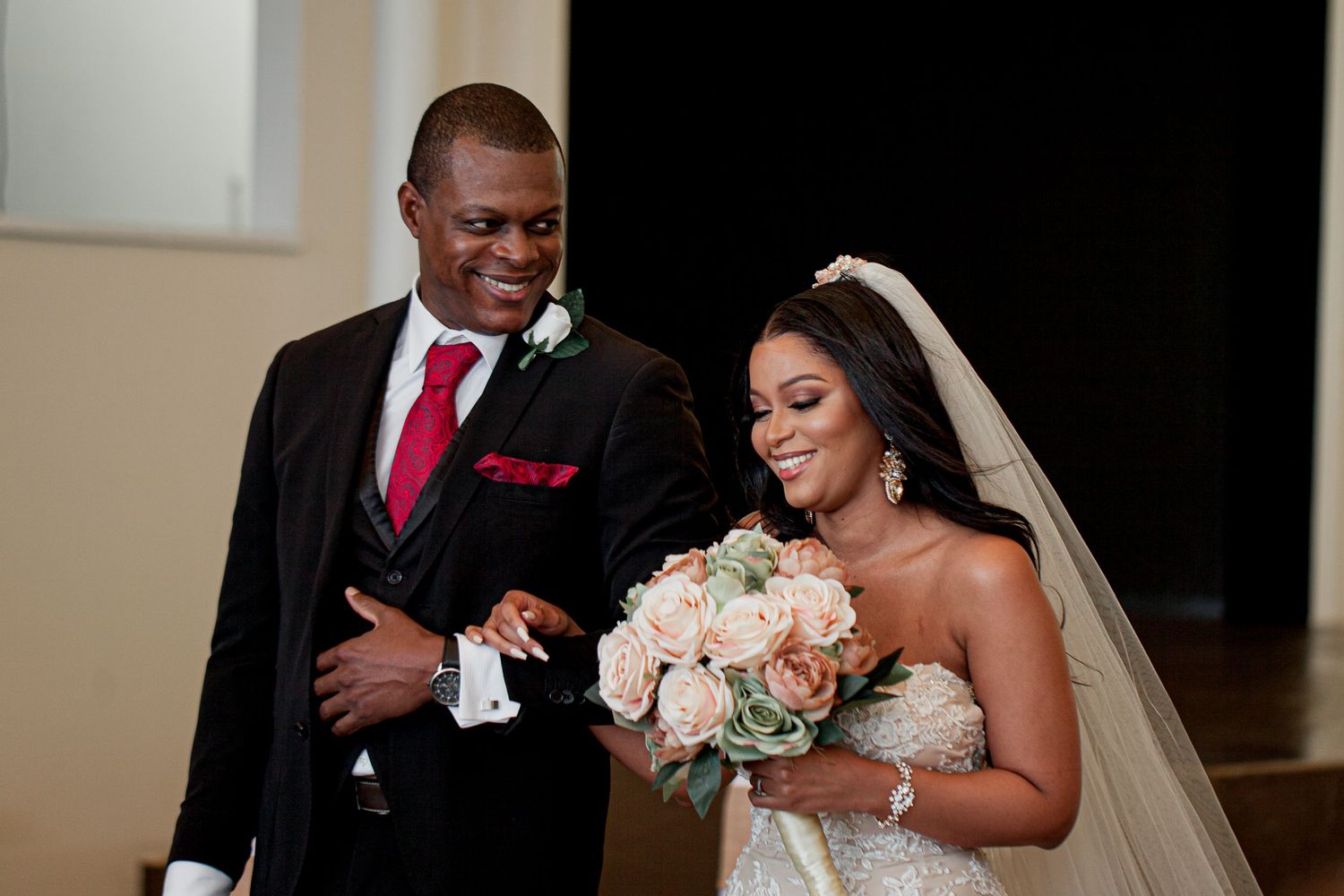
The number of hours you book affects much more than the number of photographs you receive. A shorter coverage period might be enough for an intimate ceremony and portraits. A full wedding day gives your photographer time to document the preparation, ceremony, portraits, reception and everything that happens between them. Those extra hours also create room for things that cannot be scheduled. A parent seeing the bride for the first time, friends helping with last-minute preparations, a quiet moment between the couple or the energy on the dance floor later that night. You can't know in advance which unscheduled moments will become important photographs.
Knowing When to Direct You
Some photographs need direction. I'll tell you where to stand, where to look, how to position yourselves, or when to move if I know it will make the photograph stronger. Other photographs shouldn't be directed at all. A good wedding photographer needs to recognise the difference.
If every moment is staged, the photographs can start to feel like a production. If nothing is directed, you can miss photographs that required a little guidance. My approach sits somewhere between the two. I'll direct you when I need to. The rest of the time, I'm watching.
Understanding Light
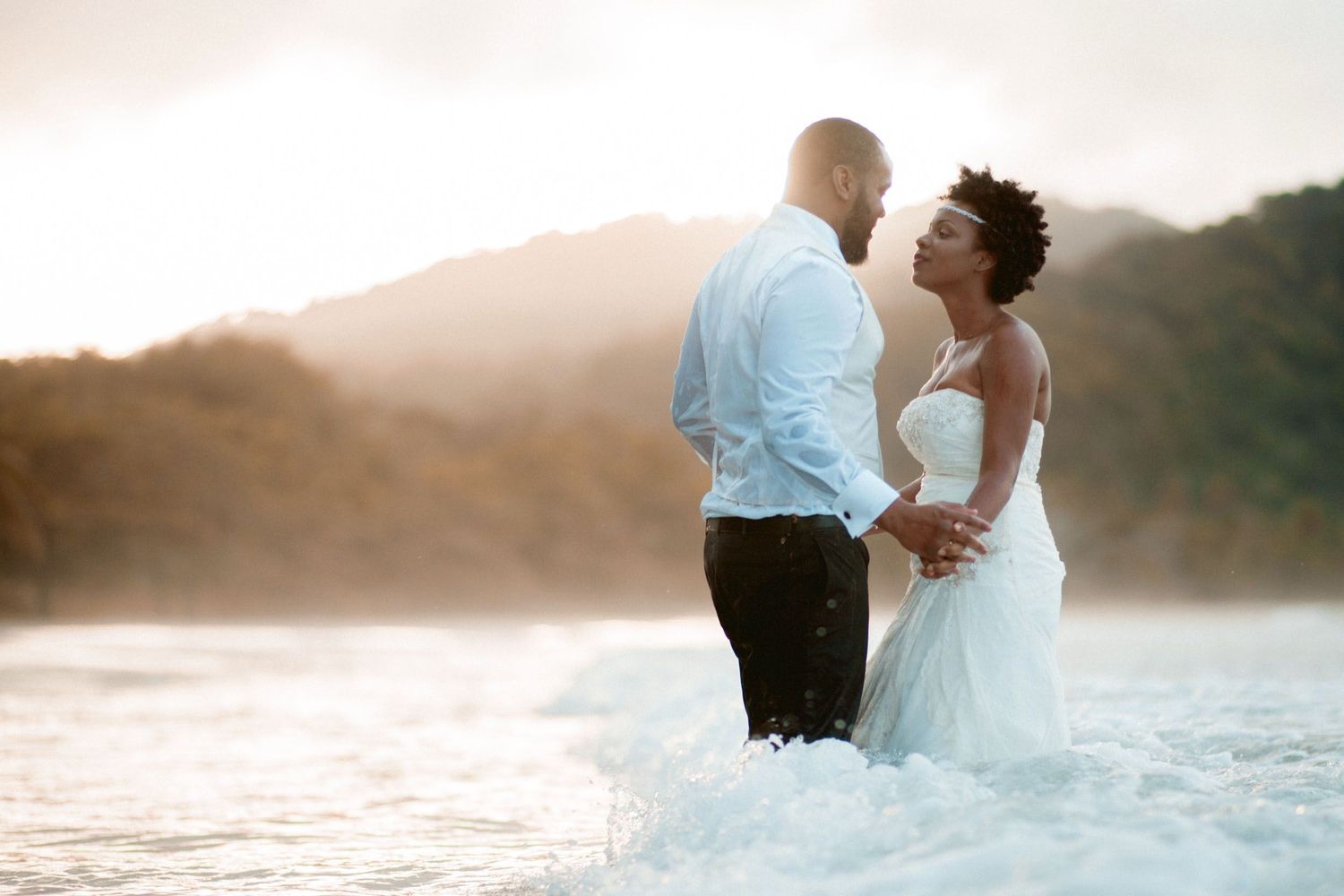
Good photography isn't simply about having an expensive camera. Light changes throughout a wedding day. The harsh midday sun that works beautifully for one photograph might be completely wrong for another. A venue that looks ordinary at noon can become spectacular as the sun drops. A covered reception area may require an entirely different approach once natural light disappears.
This is especially important in Trinidad & Tobago and across the Caribbean, where strong sunlight, fast-changing weather and evening darkness can all affect how a wedding is photographed. Knowing how to work with the conditions you're given matters.
Sometimes the answer is finding shade, sometimes it's changing the location, sometimes it's waiting five minutes, and sometimes it's using a flash or strobe because the available light simply isn't enough.
Knowing the Venue
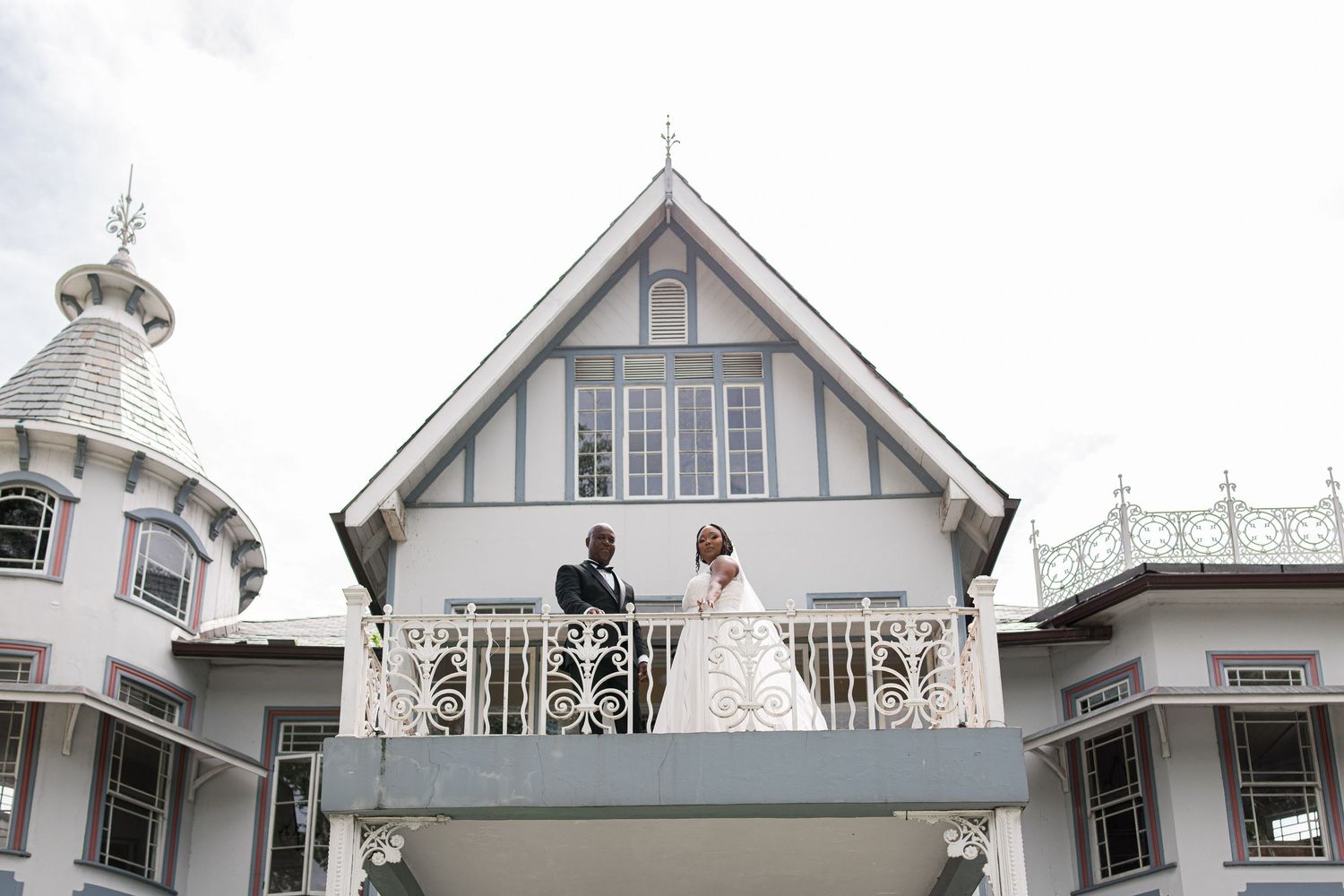
Every venue has its own photographic opportunities and limitations.
At The North Deck, for example, the mountain, valley and Caribbean Sea create an incredible backdrop. The light later in the afternoon can be particularly beautiful, but the venue also has practical considerations around weather, access and parking.
At Treekah's Hideaway, the character of the property creates a completely different photographic environment.
This is one reason I like photographing venues myself rather than relying only on what they look like in promotional photographs. I want to know where the good light is. Where the couple can take portraits. Where family photographs can happen, what happens if it rains, how guests move through the space, and where I can work without becoming an obstacle to the wedding.
Equipment and Backup
The camera is only one part of the equipment required for a wedding. A professional wedding photographer needs cameras, lenses, flashes or strobes, batteries, memory cards and other equipment capable of handling an entire day of work. More importantly, there needs to be a plan if something fails. Equipment can malfunction, memory cards can become corrupted, and batteries can run out. A photographer needs to be prepared for those possibilities before they happen. You are paying for that preparation as much as you are paying for the equipment itself.
The Work After the Wedding
The wedding doesn't end when I put the camera away. After the wedding, the photographs have to be reviewed and organised. The strongest images need to be selected. Technical problems and duplicates need to be removed. The photographs need to be edited and prepared for delivery.
A wedding can produce thousands of frames, and the goal isn't to give you every photograph the camera captured; the goal is to give you a collection that represents the day well. That requires time and judgement.
Fast Delivery Still Requires Work
Some couples want to wait months for their photographs. Others want to see them while the excitement is still fresh. I understand the second group. My current wedding experience includes sneak peeks within 2–3 days and final galleries typically delivered within 4–6 weeks. That turnaround doesn't mean the editing process is rushed. It means the workflow has been built to handle the volume of work efficiently while still giving the final gallery the attention it needs.
Do You Need Two Photographers?
Not every wedding does. A second photographer can be particularly useful when the couple is getting ready in separate locations, when the guest count is large, or when several things are happening at the same time. For a smaller wedding, one experienced photographer may be more than enough.
The question isn't whether two photographers sounds better, but rather whether your wedding actually benefits from having two people documenting it.
Communication Is Part of the Job
Photography is only one part of the experience. There are questions before the wedding. Where will we take family photographs? When should we schedule portraits? What happens if it rains? How much time should we allow for photographs? When should the photographer arrive? What happens if the schedule changes?
A photographer who communicates clearly can help remove some of that uncertainty before the wedding day arrives. That matters because you shouldn't have to spend your wedding day wondering what happens next.
So Why Do Wedding Photographers Charge Different Prices?
Because you're rarely comparing identical services. Two photographers may both offer eight hours of coverage, but that doesn't tell you:
- How much experience they have
- Whether they work alone or with an associate
- What equipment and backup systems they use
- How they approach portraits
- How they work in difficult light
- How much editing is included
- How quickly the photographs are delivered
- Whether albums or prints are included
- How much communication happens before the wedding
- How they handle unexpected situations
A lower price isn't automatically a problem. A higher price isn't automatically better. The useful question is:
What are you actually getting for the price?
What Should You Look At When Comparing Wedding Photographers?
Start with complete wedding galleries rather than only social media highlights.
- Look at weddings photographed in different lighting conditions.
- Look at family photographs.
- Look at reception photographs.
- Look at photographs taken after sunset.
- Look at how the photographer handles large groups and small moments.
Then look beyond the photographs.
- How does the photographer communicate?
- How long does delivery take?
- What's included?
- What happens if the photographer becomes unavailable?
- Is there a backup plan?
- Do you feel comfortable with the person who will be beside you for much of your wedding day?
Those questions can tell you more than comparing package prices alone.
The Price Is Only One Part of the Decision
Wedding photography is a significant expense, and couples should absolutely compare prices, but compare the service as well. You're hiring someone to make decisions throughout one of the few days in your life that cannot be repeated. They're responsible for creating photographs in whatever conditions the day gives them, then turning thousands of individual frames into a finished collection you'll actually want to look through.
That's what you're paying for.
Not simply someone with a camera.
But the experience, judgement, preparation, time and work that happen before, during and after the wedding.
Planning Your Wedding Photography
If you're comparing wedding photography prices in Trinidad & Tobago, you may also want to read:
How Much Does Wedding Photography Cost in Trinidad & Tobago? A Complete Pricing Guide
That guide focuses specifically on pricing, packages, coverage and the factors that affect what you can expect to spend.
Let's document your story
If you are planning your wedding in Trinidad & Tobago (or anywhere in the world), I extend an invitation to connect with me. Let's create something timeless together - a collection of memories that will bring joy not only to you, but to generations yet to come.